

Types of Windows for Homes in India: A Practical Guide to Choosing the Right One
Choosing the right windows for your home is no longer a simple design decision. In Indian homes today, windows must do much more than allow light and air. They need to handle extreme heat, dust, traffic noise, heavy rainfall, and changing lifestyles, all while remaining durable and easy to maintain.
Many homeowners realise this only after moving in. Rooms feel hotter than expected, outside noise becomes distracting, dust enters despite closed windows, or maintenance becomes a constant concern. This is why understanding the types of windows for homes is essential before finalising any construction or renovation plan.
This guide is not just a list of window types. It is a practical, India specific resource designed to help you understand how different window types perform in real living conditions and how to choose the right combination for your home.
How to Choose the Right Types of Windows for Homes
Before looking at individual window types, it is important to understand that there is no single perfect window for every home. The right choice depends on multiple factors working together.
Consider where your home is located. Apartments near highways face constant noise. Homes in coastal areas deal with humidity and salt air. High rise buildings experience strong wind pressure. Ground floor homes require better security and privacy.
Your lifestyle also matters. Bedrooms need better noise control and insulation. Kitchens and bathrooms require ventilation. Living areas benefit from light and openness. Maintenance expectations and long term comfort should guide decisions more than appearance alone.
Window Types Based on Opening Style
Casement Windows
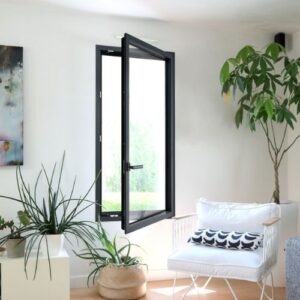
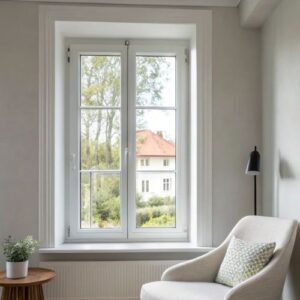
Casement windows are hinged on one side and open outward like a door. When closed, they create a tight seal along the frame, which makes them one of the best options for insulation and noise control.
They allow excellent airflow because they open fully. In Indian homes near busy roads or railway lines, casement windows perform particularly well. However, they require sufficient external clearance and may not be ideal in very compact balconies.
Sliding Windows
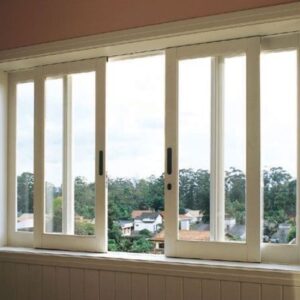
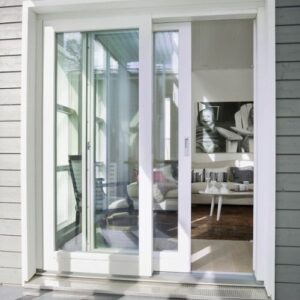
Sliding windows move horizontally along tracks and are widely used in apartments. They are space efficient and easy to operate, making them popular in urban homes.
However, sliding windows do not seal as tightly as casement windows. This can affect noise reduction and insulation. They are best used in living rooms, kitchens, or balconies where space saving is more important.
Tilt and Turn Windows
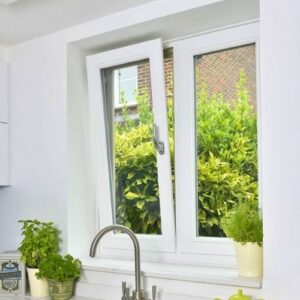
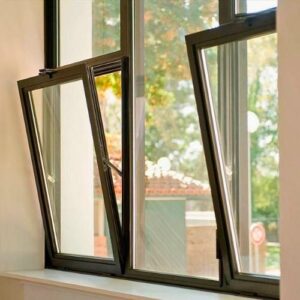
Tilt and turn windows offer two opening functions. They can tilt inward from the top for controlled ventilation or open fully inward like a door.
These windows provide excellent sealing, strong security, and easy cleaning, especially in high rise buildings. They are commonly used in premium homes and modern apartments.
Awning Windows
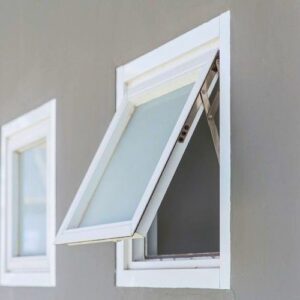
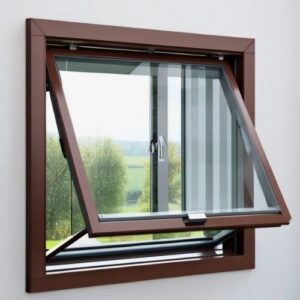
Awning windows are hinged at the top and open outward. They allow ventilation even during light rain, which makes them suitable for bathrooms, kitchens, and utility areas.
They are often used in combination with other window types rather than as standalone windows.
Window Types Based on Space and Function
Fixed Windows
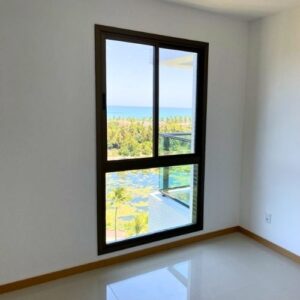
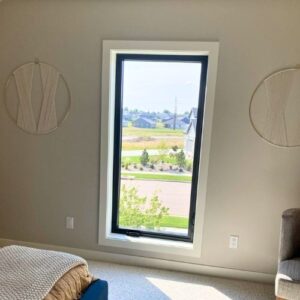
Fixed windows do not open. Their primary purpose is to bring in natural light and offer uninterrupted views. Because they are sealed permanently, they provide excellent insulation and noise reduction.
In Indian homes, fixed windows are often combined with operable windows to create large glass surfaces.
French Windows
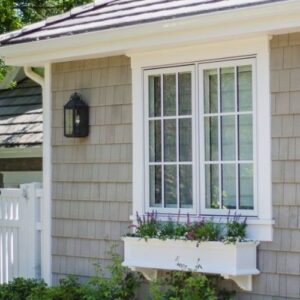
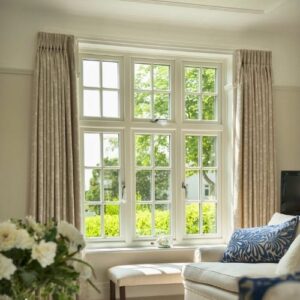
French windows consist of two large panels that open inward or outward. They create a strong connection between indoor and outdoor spaces such as balconies, gardens, or terraces.
They are best suited for villas and low rise homes where space and airflow are priorities.
Window Types Based on Design and Privacy
Slit Windows
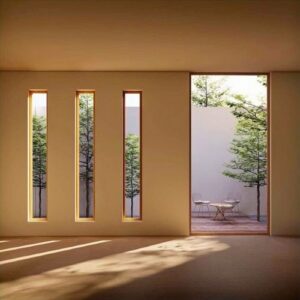
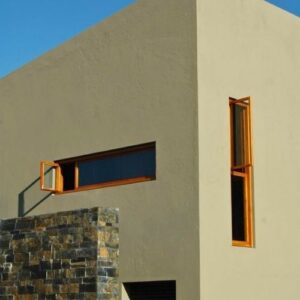
Slit windows are narrow windows designed to allow light while maintaining privacy. They are commonly used in staircases, bathrooms, and boundary facing walls.
Arch and Special Shape Windows
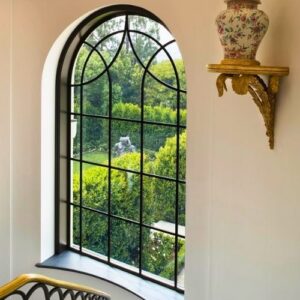
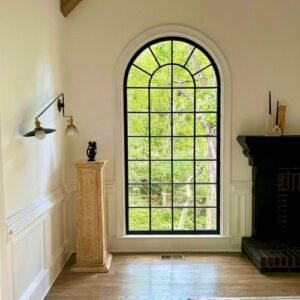
Arch windows and custom shaped windows are design driven choices. They add architectural character but usually involve higher cost and specialised installation.
Modern System Windows and Why They Matter
Many modern homes now use engineered window systems where frames, hardware, seals, and glass are designed to work together. These systems improve performance, durability, and consistency, especially in demanding Indian conditions.
System based windows are particularly effective in high rise buildings and premium homes where precision, insulation, and security matter. Homeowners who are also evaluating materials can explore a detailed comparison on comparing UPVC and aluminium window systems to understand how frame choices impact comfort and maintenance.
For a deeper technical explanation, this guide on understanding how system windows improve performance explains why engineered window solutions are becoming the preferred choice in modern construction.
Comparison Table: Types of Windows for Homes
| Window Type | Ventilation | Noise Control | Space Saving | Maintenance | Best Use |
|---|---|---|---|---|---|
| Casement | High | Very Good | Medium | Low | Bedrooms |
| Sliding | Medium | Moderate | High | Low | Apartments |
| Tilt and Turn | High | Very Good | Medium | Medium | Premium Homes |
| Awning | Medium | Good | Medium | Low | Bathrooms |
| Fixed | None | Excellent | High | Very Low | Light and Views |
| French | High | Moderate | Low | Medium | Villas |
Best Types of Windows for Homes Based on Indian Scenarios
Apartments near highways benefit from casement or tilt and turn windows for better noise control. Coastal homes perform better with well sealed system windows. High rise buildings often use tilt and turn or fixed windows combined with operable units. Small urban flats benefit from sliding windows, while villas and bungalows use a mix of French, casement, and fixed windows.
Common Mistakes Homeowners Make
Many homeowners choose windows based only on price, ignore noise and heat exposure, use a single window type everywhere, or overlook long term maintenance. Avoiding these mistakes leads to better comfort and satisfaction.
FAQs About Types of Windows for Homes
What are the most common types of windows for homes in India?
Casement, sliding, fixed, awning, and tilt and turn windows are widely used in Indian homes.
Which window type is best for Indian climate?
Well sealed casement or system based windows perform best against heat, dust, and noise.
Can different window types be used in one home?
Yes, modern homes often use a combination of window types based on room function.
Which window is best for noise reduction?
Casement and tilt and turn windows offer the best noise control due to better sealing.
Conclusion
Choosing the right types of windows for homes directly impacts comfort, maintenance, and long term living quality. The ideal solution often lies in combining different window types based on location, lifestyle, and environmental exposure.
Before finalising your choice, assess your surroundings and future needs carefully. Consulting a window expert can help ensure the selected window types truly match your home and deliver lasting comfort.

Ankit Singh is a content writer and interior solutions specialist at Lumora, based in Indore. He writes about glass solutions, window systems, interior design, and architectural materials with a focus on helping homeowners and professionals make informed decisions. With hands-on exposure to residential and commercial glass projects across Indore, Ankit covers topics including toughened glass, UPVC windows, aluminium systems, glass railings, partitions, and modern interior design trends. His writing combines practical field knowledge with clear, accessible explanations for readers at every stage of their project.